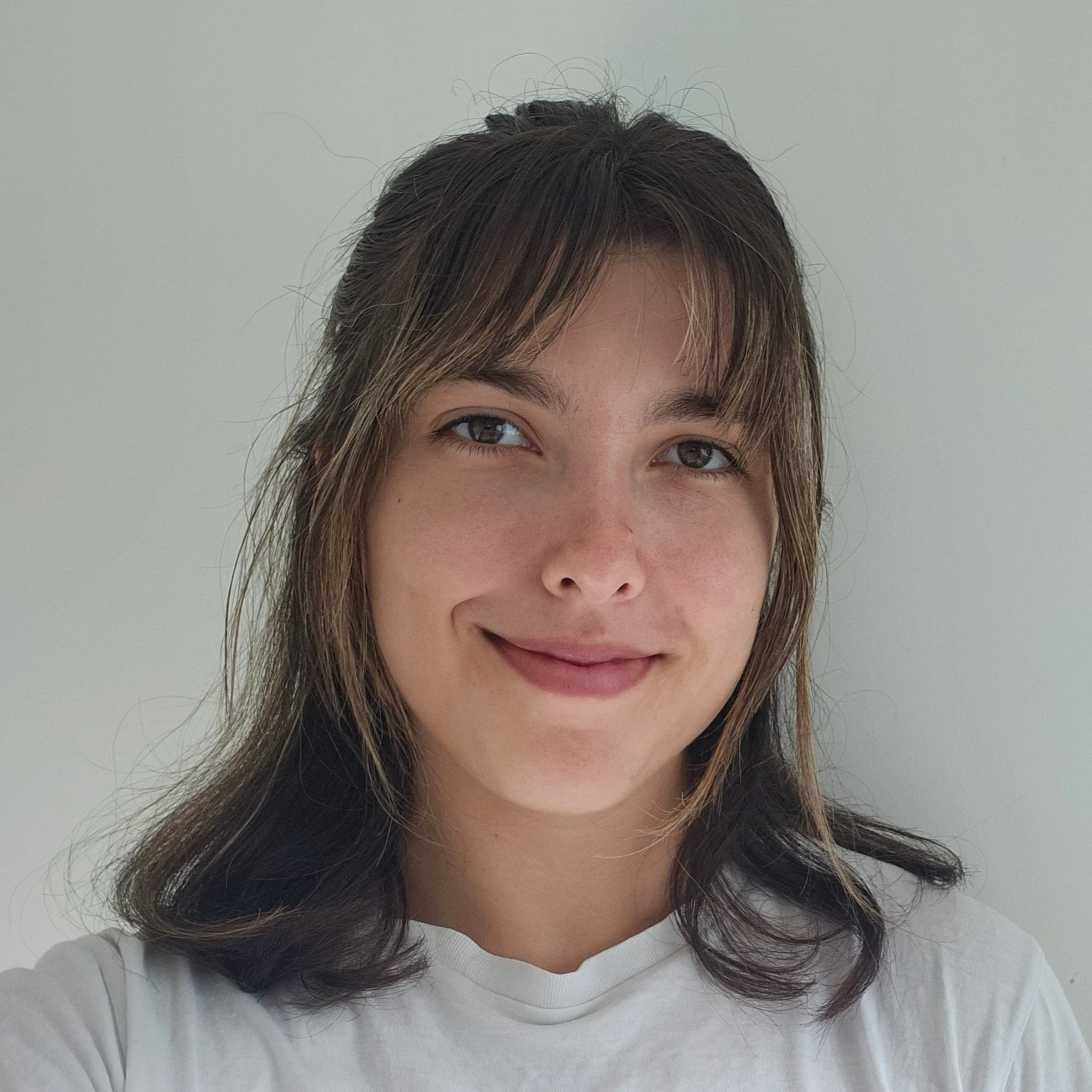
I’m Katie, and I’m a content writer and essayist.
With my background in psychology, neuroscience, and neuropsychiatry, my content writing specialises in articles and long-form content about psychology, health, and wellbeing. I take a generative AI-free approach and guarantee 100% human writing.
You can find my existing publications and academic credentials below. I’m open to one-off projects and ongoing contracts - please contact me for my current availability.
I’m from the UK and currently living in New Zealand with my rescue cat, Masha 🐈
Find other credited names below.
Hello!
PUBLICATIONS
You may find me credited as Katherine Pocock, Katie Pocock, or Katie Caygill Pocock
Selected highlights:
✎ Contracted writer and editor for The Attachment Project since 2025. Highlights:
Are AI Relationships the Future?
Rejection Sensitivity: Hidden Attachment Origins and How to Heal
✎ Front of Mind: Mental Health in the Security Sector. Feature in Security Matters, June 2024, pages 36-38: https://www.flipsnack.com/E59F88BBDC9/sm-june-24-issue-1-55/full-view.html
✎ The Neurology and Neuropsychiatry of COVID-19. 2 Highlights in the Journal of Neurology, Neurosurgery and Psychiatry. https://blogs.bmj.com/jnnp/2020/05/01/the-neurology-and-neuropsychiatry-of-covid-19/ - This blog has been archived, individual highlights can be seen below:
-
This week in Stem Cell Reports, McMahon et al. investigated the in vitro infection of brain tissue by SARS-CoV-2. Human embryonic stem cell-derived cortical organoids were exposed to SARS-CoV-2 at three viral loads, from 102-105 plaque-forming units/mL, for 14 days. Infection was confirmed using immunohistochemistry and quantitative real-time PCR. Cortical organoids were infected even from the lowest viral load and, consistent with previous studies, neurons showed little to no infection while choroid plexus cells showed moderate infection. Further experimentation found that organoids were infected within 6 hours of exposure, but replication of SARS-CoV-2 did not occur within 4 days post infection. The authors then used glial and astrocytic markers to show that SARS-CoV-2 preferentially infects astrocytes and radial glial progenitor cells, presenting the first demonstration of glial tropism of SARS-CoV-2. Glial cells are vital to neuron function; therefore, infection could play a key role in explaining the neurological manifestations of COVID-19. Furthermore, infection of glial cells may implicate the blood-brain barrier as a mechanism for SARS-CoV-2 to enter the brain.
-
This paper investigated the effect of persistent olfactory and gustatory dysfunction following COVID-19 infection on quality of life. An online survey was administered to 431 individuals who reported both SARS-CoV-2 infection within the last 6 months and persistent COVID-19 symptoms. Participants reported the presence or absence of persistent symptoms, rated the severity of olfactory and gustatory dysfunction during infection and at present on a 1-10 visual analogue scale, and responded to a questionnaire scoring the mental and physical components of quality of life.
Persistent olfactory and gustatory symptoms were the second and third most common persisting symptoms (reported by 24.6% and 19.5% of participants, respectively), after fatigue (42.9%), and their presence strongly correlated with lower scores on the mental component of quality of life. Multiple regressions significantly predicted mental quality of life scores from the severity of olfactory and gustatory symptoms.
The authors conclude that this outcome supports the establishment of infrastructure and effective therapies for individuals with persistent chemosensory dysfunction. They use previous studies to highlight the contribution of chemosensory dysfunction to depression, eating disorders and social isolation, supporting their appeal to avoid psychological morbidities by treating these patients early.
A significant proportion of my work has been ghostwritten - I cannot take credit and in most cases cannot disclose that they were written by me. Redacted samples may be provided upon request. Projects include:
✎ Mental health & psychology content for a series of self-help books.
✎ Nutrition & health content for medical providers and supplement brands.
✎ Speech-writing for influencers in thought leadership.
ACADEMIC CREDENTIALS
MSc. Clinical Neuropsychiatry, King’s College London
BSc. Psychology with Neuroscience (with study abroad year), University of Sussex
Study abroad year completed at Northern Arizona University
120 Level 7 Credits Completed in Clinical Associate Psychology (Adult Mental Health), University College London
Credited as Katherine L. Pocock on: Levstek, M., Barnby, R. M., Pocock, K. L., & Banerjee, R. (2021). “It All Makes Us Feel Together”: Young People's Experiences of Virtual Group Music-Making During the COVID-19 Pandemic. Frontiers in Psychology, 12, 703892.